
-
Vendor:Bonfire
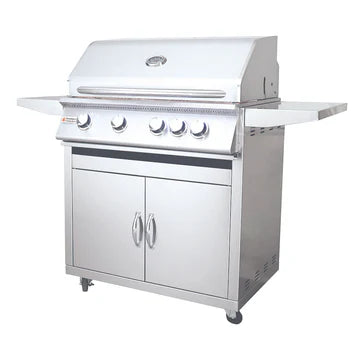
Bonfire Whistler 4 34" Freestanding Cart Grill - 4 Burners, 72,000 BTUs, 608 Sq In, 304 Stainless Steel
The Bonfire Whistler 4 cart grill pairs the 34-inch, four-burner Whistler head with Bonfire’s matching 304 stainless double-door cart. Four 15,000 BTU cast stainless burners and a 12,000 BTU ceramic infrared rear burner give you 72,000 BTU across 608 square inches of main cooking...- $2,789.00
$2,899.00- $2,789.00
- Unit price
- per
-
Vendor:Coyote
Coyote CL-Series 36" Freestanding Propane Cart Grill C3CL36LP-FS - 80,000 BTUs, 875 Sq In, 304 Stainless Steel
The Coyote CL-Series 36" Freestanding Propane Cart Grill (C3CL36LP-FS) is a freestanding cart grill with 640 square inches of primary cooking space — 875 square inches in total — sized for entertaining large crowds. The high-performance burners generate a powerful 80,000 BTUs, ensuring fast...- $3,548.00
- $3,548.00
- Unit price
- per
-
Vendor:RCS
RCS Premier 32" Freestanding Cart Grill RJC32A - 4 Burners, 48,000 BTUs, 710 Sq In Stainless Steel
The RCS Premier 32" Freestanding Cart Grill (RJC32A) is a freestanding cart grill. Key details: 4 burners, 48,000 BTUs, 710 sq in stainless steel. 32" RCS Premier Freestanding Grill Cart Documents 32" Premier Freestanding Grill Cart _Valve_Alignment Authorized RCS Dealer: Northwoods Grills is listed...- $2,583.00
- $2,583.00
- Unit price
- per
-
Natural Gas
-
Propane
-
Vendor:Broilmaster
Broilmaster 26" Freestanding Cart Grill - 2 Burners, 36,000 BTUs, 540 Sq In Stainless Steel
The Broilmaster 26-inch freestanding cart grill has 2 burners, 36,000 BTUs and 540 square inches of cooking area, in stainless steel on a rolling cart. Starting price is for the grill head alone. Select the natural gas package with cart to see the complete...- from $1,879.00
- from $1,879.00
- Unit price
- per
-
Vendor:Bonfire
Bonfire 28" Freestanding Cart Grill - 3 Burners, 45,000 BTUs, 304 Stainless Steel
The Bonfire Whistler 3 cart grill puts the 28-inch, three-burner Whistler head on Bonfire’s matching 304 stainless steel cart. You get 57,000 BTU from three cast stainless burners and a ceramic infrared rear burner, side shelves on both sides, locking casters and a propane...- $2,099.00
$2,199.00- $2,099.00
- Unit price
- per
-
Vendor:Fire Magic
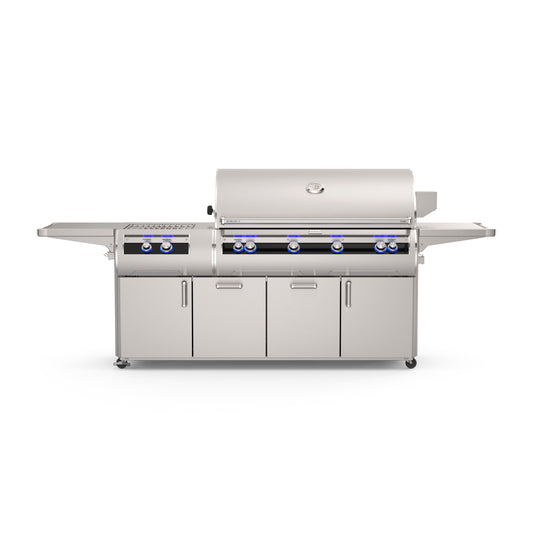
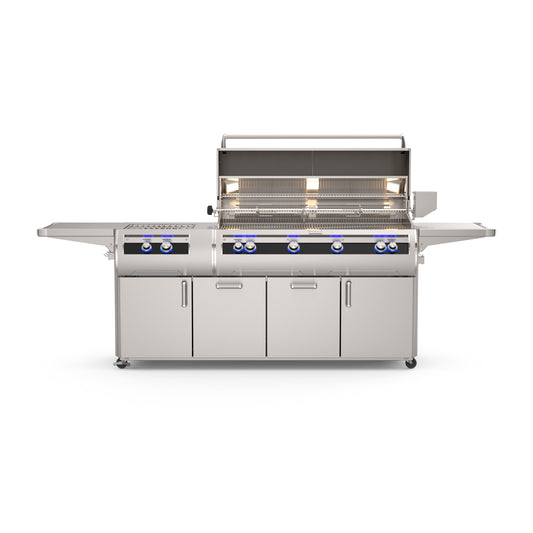
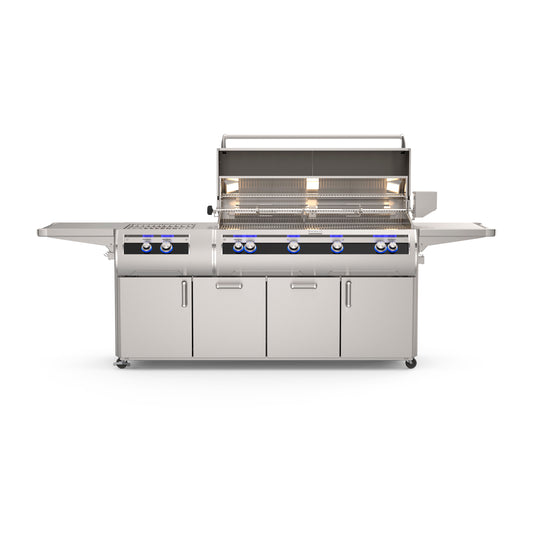
Fire Magic Echelon Diamond E1060s 48" Cart Grill with Infrared & Power Burners, Rotisserie & Analog Thermometer
Fire Magic Echelon Diamond E1060s 48" Cart Grill with Infrared & Power Burners, Rotisserie & Analog ThermometerThe Fire Magic Echelon Diamond E1060s is a 48-inch freestanding cart grill, the cart version of the Echelon E1060, the largest grill in the Echelon Diamond line. This...- $19,101.00
- $19,101.00
- Unit price
- per
-
Vendor:Fire Magic
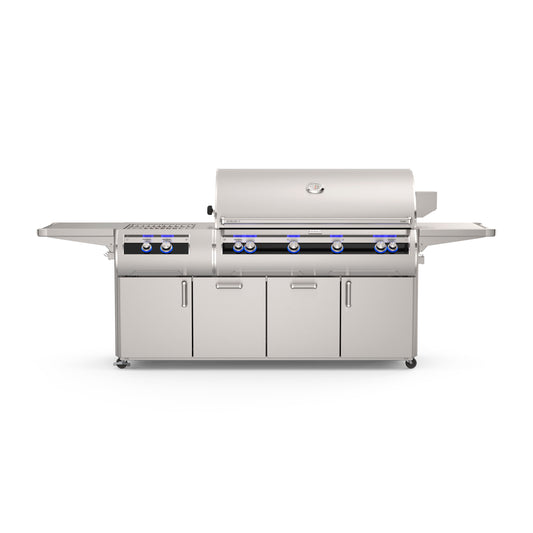
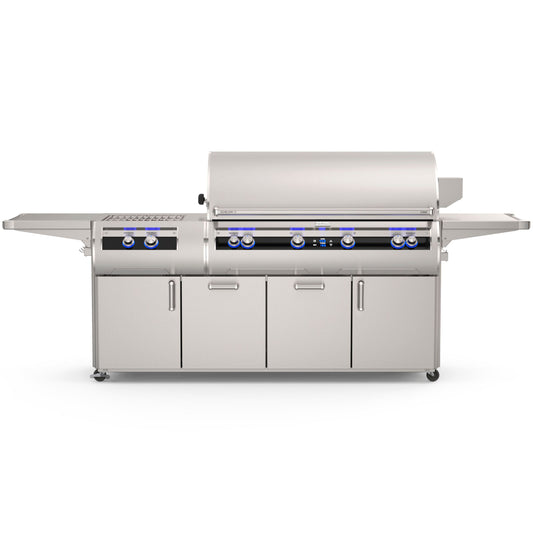
Fire Magic Echelon Diamond E1060s 48" Cart Grill with Power Burner, Rotisserie & Analog Thermometer
Fire Magic Echelon Diamond E1060s 48" Cart Grill with Power Burner, Rotisserie & Analog ThermometerThe Fire Magic Echelon Diamond E1060s is a 48" cart grill, the freestanding cart version of the Echelon E1060, the largest grill in the Echelon Diamond line. This model pairs...- $19,101.00
- $19,101.00
- Unit price
- per
-
Vendor:Fire Magic
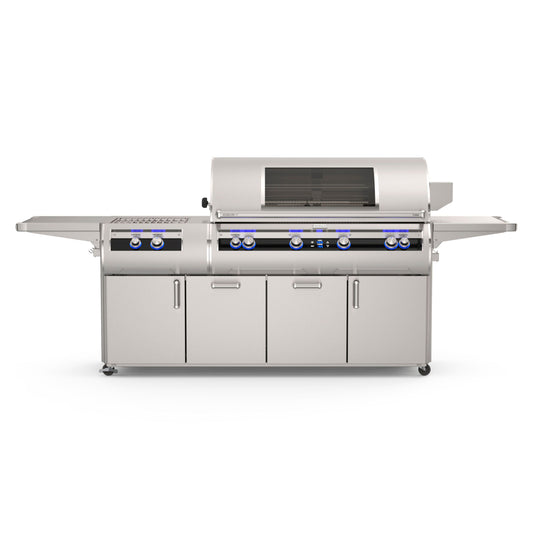
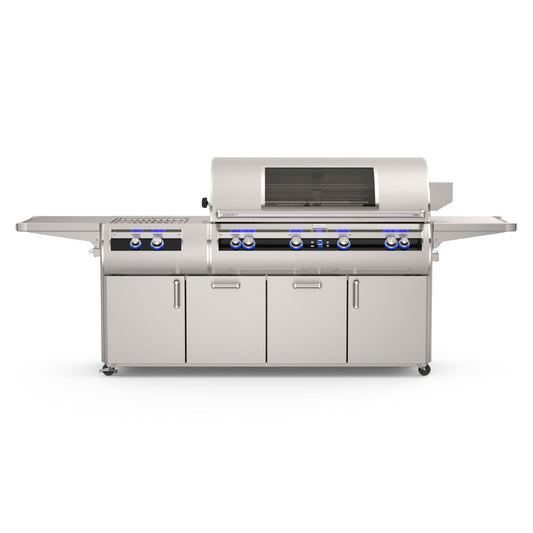
Fire Magic Echelon Diamond E1060s 48" Cart Grill with Infrared & Power Burners, Rotisserie, Digital Thermometer & Magic View Window
Fire Magic Echelon Diamond E1060s 48" Cart Grill with Infrared & Power Burners, Rotisserie, Digital Thermometer & Magic View WindowThe Fire Magic Echelon Diamond E1060s is the freestanding cart version of the Echelon E1060, the largest grill in the Echelon Diamond line. This model...- $20,555.00
- $20,555.00
- Unit price
- per
-
Vendor:Fire Magic
Fire Magic Echelon Diamond E1060s 48" Propane Cart Grill with Infrared & Power Burners, Rotisserie, Analog Thermometer & Window
Fire Magic Echelon Diamond E1060s 48" Propane Cart Grill with Infrared & Power Burners, Rotisserie, Analog Thermometer & WindowThe Fire Magic Echelon Diamond E1060s is a 48" propane cart grill, the freestanding cart version of the Echelon E1060, the largest grill in the Echelon...- $19,870.00
- $19,870.00
- Unit price
- per
-
Vendor:Fire Magic
Fire Magic Echelon Diamond E1060s 48" Cart Grill with Power Burner, Rotisserie & Digital Thermometer
Fire Magic Echelon Diamond E1060s 48" Cart Grill with Power Burner, Rotisserie & Digital ThermometerThe Fire Magic Echelon Diamond E1060s is the freestanding cart version of the Echelon E1060, the largest grill in the Echelon Diamond line. This model pairs a 48" cooking surface...- $19,785.00
- $19,785.00
- Unit price
- per
-
Vendor:Fire Magic
Fire Magic Echelon Diamond E1060s 48" Cart Grill with Power Burner, Rotisserie, Analog Thermometer & Magic View Window
Fire Magic Echelon Diamond E1060s 48" Cart Grill with Power Burner, Rotisserie, Analog Thermometer & Magic View WindowThe Fire Magic Echelon Diamond E1060s is the freestanding cart version of the Echelon E1060, the largest grill in the Echelon Diamond line. This model pairs a...- $19,870.00
- $19,870.00
- Unit price
- per
-
Vendor:Fire Magic
Fire Magic Echelon Diamond E1060s 48" Cart Grill with Power Burner, Rotisserie, Digital Thermometer & Magic View Window
Fire Magic Echelon Diamond E1060s 48" Cart Grill with Power Burner, Rotisserie, Digital Thermometer & Magic View WindowThe Fire Magic Echelon Diamond E1060s is a 48-inch freestanding cart grill, the cart version of the Echelon E1060, the largest grill in the Echelon Diamond line....- $20,555.00
- $20,555.00
- Unit price
- per












propane
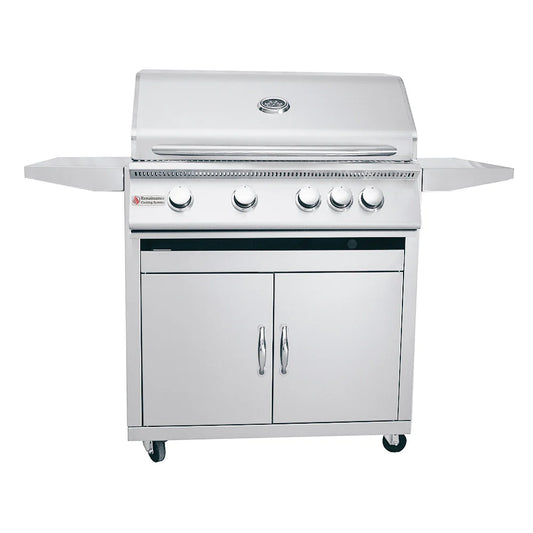
A practical choice when you do not have a natural gas line. Plan for tank access and refills.
Shop Propane Cart Grills