

How Many BTUs Do You Need in a Gas Grill? The Truth About Grill Performance

When shopping for a new gas grill, one of the first specifications you'll notice is the BTU rating. Many buyers assume that the highest BTU number automatically means the best grill—but that's one of the biggest misconceptions in outdoor cooking.
The truth is that BTUs are only one piece of the equation. Burner design, grill construction, cooking surface, and heat retention all play a much larger role in determining how well a grill performs.
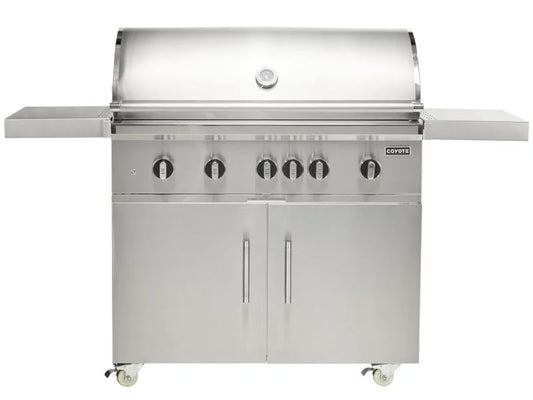
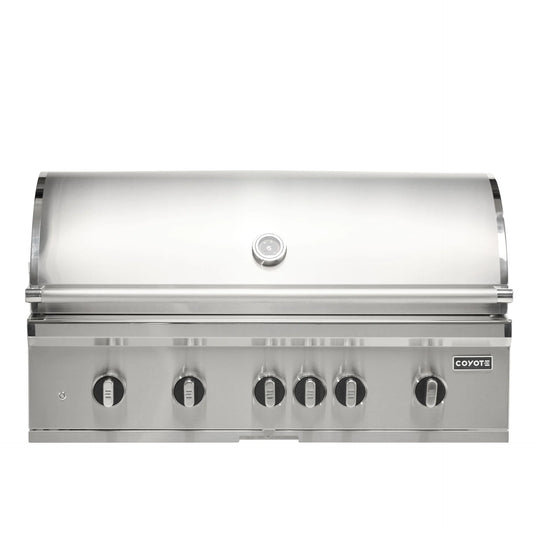
Whether you're shopping for a built-in grill or a freestanding cart model, here's what you should know before comparing BTU ratings.
What Are BTUs?
BTU stands for British Thermal Unit, a measurement of the amount of heat a grill can produce.
Higher BTUs simply mean a grill has the potential to generate more heat—not that it cooks better.
A poorly designed grill with very high BTUs may cook less efficiently than a premium grill with lower BTUs but superior engineering.
Why BTUs Don't Tell the Whole Story
Instead of focusing solely on BTUs, consider these factors:
Grill Size
Larger grills naturally require more BTUs because they have more cooking surface to heat.
For example:
- 26–30" grills generally require fewer BTUs than 42" grills.
- Comparing BTUs between different grill sizes isn't an apples-to-apples comparison.
➡ Shop our Built-In Grills
Burner Design
High-quality stainless steel burners distribute heat evenly across the cooking surface.
Premium manufacturers spend years engineering burner placement to eliminate hot and cold spots.
A well-designed burner system is often more important than simply adding more BTUs.
Heat Retention
Heavy-duty construction keeps heat where it belongs.
Look for:
- 304 stainless steel construction
- Double-lined hoods
- Heavy cooking grates
- Well-insulated fireboxes
These features help maintain cooking temperatures while using fuel efficiently.
Cooking Surface Area
Instead of asking:
"How many BTUs does this grill have?"
Ask:
"How many BTUs does this grill produce for its cooking area?"
A balanced heat output across the entire grilling surface is far more important than a large BTU number.
Recommended BTU Ranges
While every manufacturer is different, these ranges are a good rule of thumb.
| Grill Size | Typical Main Burner BTUs |
|---|---|
| 2 Burner | 20,000–30,000 |
| 3 Burner | 30,000–45,000 |
| 4 Burner | 45,000–60,000 |
| 5+ Burner | 60,000+ |
Remember, these numbers are only guidelines.
Construction quality matters much more.
Don't Forget the Extra Burners
Many premium grills include additional cooking features such as:
- Infrared rear burners
- Infrared sear burners
- Side burners
- Power burners
- Rotisserie systems
These accessories increase versatility but should not be confused with the grill's primary cooking performance.
➡ Browse our Side & Power Burners
Choosing the Right Grill for Your Cooking Style
Ask yourself:
- How many people do you typically cook for?
- Do you regularly entertain large groups?
- Do you want a permanent outdoor kitchen?
- Will you use a rotisserie?
- Do you enjoy high-temperature steak searing?
The answers will help determine the right grill size and features—not simply the highest BTU rating.
Built-In vs. Freestanding Grills
If you're designing a custom outdoor kitchen, your grill should be selected before cabinets or countertops are built.
The grill determines:
- Cutout dimensions
- Ventilation requirements
- Gas connections
- Countertop layout
- Appliance spacing
➡ Natural Gas & Propane Grills
Expert Tip
Instead of chasing the biggest BTU number, look for a grill that offers:
- Premium burner design
- Heavy-duty 304 stainless steel construction
- Even heat distribution
- Strong warranty coverage
- Features that match how you actually cook
These characteristics have a much greater impact on cooking performance than BTUs alone.
Frequently Asked Questions
Is a higher BTU grill always better?
No. Higher BTUs simply indicate the grill can produce more heat. Construction quality, burner design, and heat retention are much better indicators of cooking performance.
What is a good BTU rating for a gas grill?
Most quality residential gas grills fall between 30,000 and 60,000 BTUs depending on size. Larger grills naturally require more heat output.
Are infrared burners included in BTU ratings?
Usually, yes. Manufacturers often list total BTUs that include main burners, rear infrared burners, and side burners. Compare the specifications carefully.
Should I compare BTUs between different grill brands?
Not by themselves. Compare:
- Cooking surface
- Burner quality
- Stainless steel grade
- Warranty
- Heat distribution
- Overall construction
These factors provide a much more accurate picture of grill performance.
Shop Premium Gas Grills at Northwoods Grills
Whether you're building a new outdoor kitchen or replacing an existing grill, Northwoods Grills offers premium built-in and freestanding gas grills from trusted manufacturers including Summerset, Coyote, Fire Magic, American Outdoor Grill, Artisan, RCS, Memphis, and more.
Our team can help you compare grill sizes, fuel types, burner configurations, cutout dimensions, and performance features so you can choose the right grill for your outdoor cooking style.