-
Vendor:U-Line
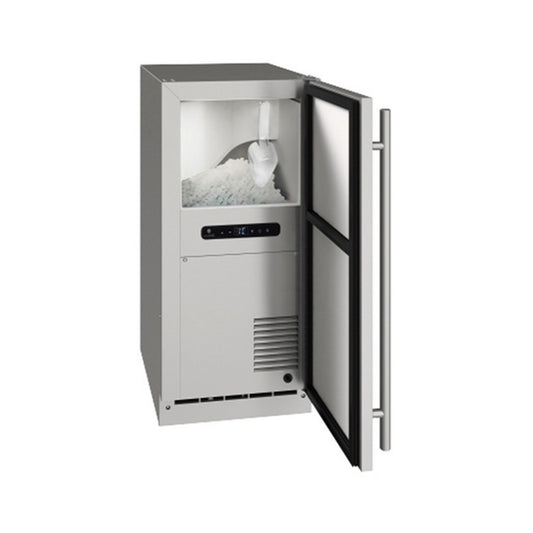
U-Line 15" Outdoor Nugget Ice Machine UONP115 - Stainless Steel
The U-Line UONP115 is a 15-inch nugget ice machine from U-Line's Outdoor Collection, built in 304 stainless steel with a solid stainless door — the only configuration listed for this model. Nugget ice U-Line lists this unit's product type as a nugget ice machine,...- $5,239.00
- $5,239.00
- Unit price
- per
-
Vendor:U-Line
U-Line 15" Outdoor Crescent Ice Machine UOCR115 - Stainless Steel
U-Line 15" Crescent Ice Machine UOCR115The U-Line UOCR115 is a 15" crescent ice machine rated for outdoor installation. U-Line builds its outdoor-rated models with more robust components than its indoor equivalents, engineered to handle the humidity and temperature swings of a covered outdoor kitchen,...- $3,469.00
- $3,469.00
- Unit price
- per
-
Vendor:U-Line
U-Line 15" Outdoor Clear Ice Machine UOCL115 - Stainless Steel
U-Line 15" Clear Ice Machine UOCL115The U-Line UOCL115 is a 15" clear ice machine rated for outdoor installation. U-Line builds its outdoor-rated models with more robust components than its indoor equivalents, engineered to handle the humidity and temperature swings of a covered outdoor kitchen,...- $4,259.00
- $4,259.00
- Unit price
- per
-
Vendor:U-Line
U-Line 15" Outdoor Clear Ice Machine with Pump UOCP115 - Stainless Steel
U-Line 15" Clear Ice Machine UOCP115The U-Line UOCP115 is a 15" clear ice machine rated for outdoor installation. U-Line builds its outdoor-rated models with more robust components than its indoor equivalents, engineered to handle the humidity and temperature swings of a covered outdoor kitchen,...- $4,689.00
- $4,689.00
- Unit price
- per
-
Vendor:TrueFlame
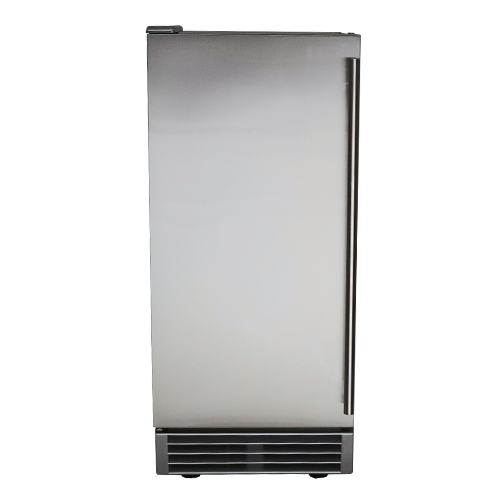
TrueFlame 15" Outdoor Rated Cube Ice Maker
Keep drinks cold and entertaining effortless with the TrueFlame 15-Inch Outdoor Rated Cube Ice Maker (AMD-IM-15), a UL-rated built-in unit featuring a weather-resistant 304 stainless steel door that stands up to the elements and wipes clean in seconds. This 15-inch built-in fits a cutout...- $2,999.00
- $2,999.00
- Unit price
- per
-
Vendor:TrueFlame
TrueFlame 15" Outdoor Rated Nugget Ice Maker
Keep the ice flowing with the TrueFlame 15" Outdoor Rated Nugget Ice Maker (AMD-IM-15N), featuring a weather-resistant 304 stainless steel door. This built-in unit produces up to 50 lbs. of chewable nugget ice per day with a 25 lb. storage capacity, so you always...- $2,999.00
- $2,999.00
- Unit price
- per
-
Vendor:Coyote
Coyote 15" Built-In Crescent Ice Maker
Ensure your outdoor gatherings are never short of ice with the Coyote 15" Built-In Crescent Ice Maker. This compact, high-performance appliance is engineered to seamlessly integrate into your outdoor kitchen, producing up to 15 pounds of unique crescent ice per day and storing up...- $1,999.00
- $1,999.00
- Unit price
- per
-
Vendor:RCS
RCS Stainless Steel UL Rated Ice Maker for Outdoor Use - 26Lb Storage, 44Lbs/Day Production
The R-Series UL Rated Ice Maker offers stainless steel, reversible hinge, 26lb storage capacity, UL certified for outdoor use, adjustable sized cubes, 44 lbs per day production. Authorized RCS Dealer: Northwoods Grills is listed among the online showrooms in Renaissance Cooking Systems’ official dealer...- $2,804.00
- $2,804.00
- Unit price
- per
-
Vendor:RCS
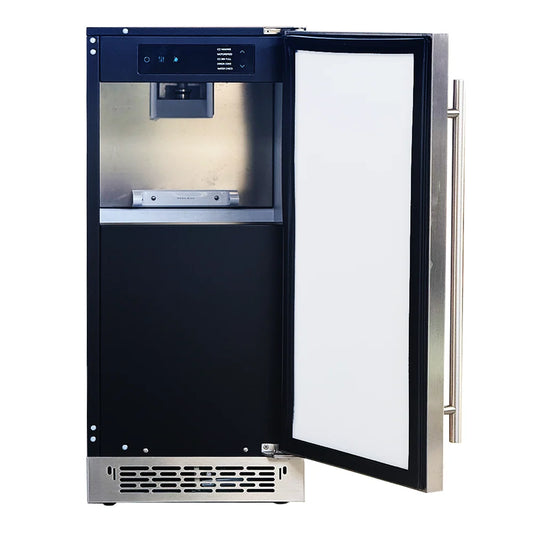
RCS Nugget Ice Maker - Stainless - 26 lb Capacity - 55 lb Production - UL Rated - Reversible Door
RCS Nugget Ice Maker (REFR3A) Serve up soft, chewable nugget ice all summer long with the RCS Nugget Ice Maker (REFR3A). This outdoor-certified stainless steel ice maker produces up to 55 lbs of the sought-after "chewable" nugget ice every day and stores up to...- $2,989.00
- $2,989.00
- Unit price
- per
FREE Shipping on ALL Orders. 0% CC Fees. Est 2018.

(843) 212-7209
Free Shipping On All Orders. 0% Credit Card Fee.






Frequently Asked Questions
Recently Viewed Products
- Choosing a selection results in a full page refresh.