Pizza Ovens

A real pizza oven is not a grill with a stone in it. The difference is stored heat and heat from above: a thick ceramic or refractory hearth that keeps cooking the moment a cold, wet pizza lands on it, and a ceiling hot enough to finish the top of...

A real pizza oven is not a grill with a stone in it. The difference is stored heat and heat from above: a thick ceramic or refractory hearth that keeps cooking the moment a cold, wet pizza lands on it, and a ceiling hot enough to finish the top of the crust in the same two or three minutes. That is what gets you a Neapolitan pizza at home rather than a good flatbread.

This collection brings together every dedicated pizza oven we stock — built-in ovens designed to drop into an outdoor kitchen island, countertop ovens that sit on a counter or a cart, hybrid multi-fuel ovens that run gas or wood, and the kamado inserts that convert a ceramic charcoal grill into a pizza oven for a fraction of the price.

Which type of pizza oven do you need?

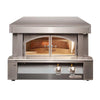
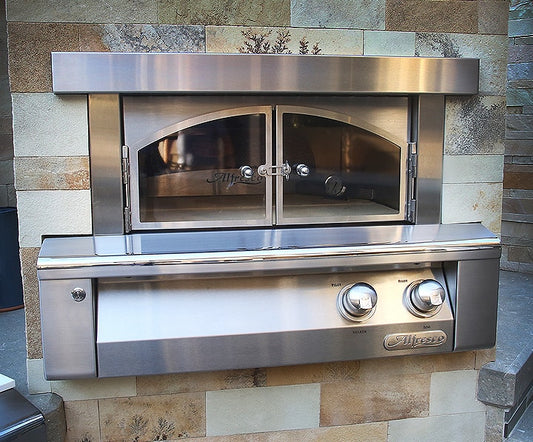
Built-in. The oven becomes part of a masonry or stainless island, usually venting at counter level. Choose this when the kitchen is being built and the oven is part of the design — see the Alfresco Pizza Oven Plus AXE-PZA-BI.

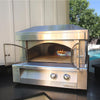
Countertop. The same oven, standing on an existing counter or on a cart, so it can move. Choose this when you are adding pizza to a patio rather than building a kitchen around it — see the Alfresco 30" Countertop Gas Pizza Oven AXE-PZA.

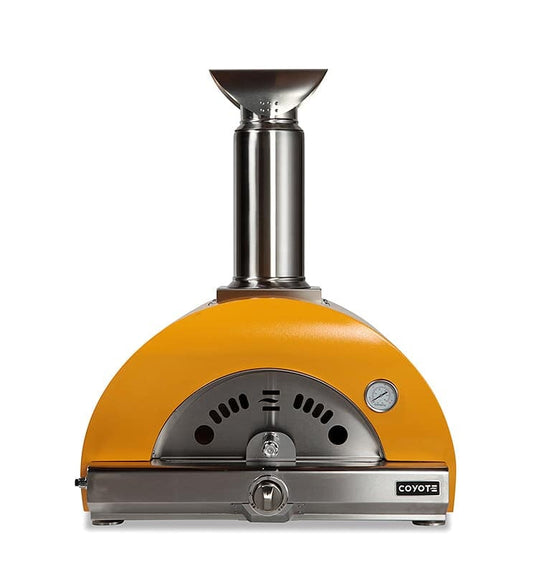
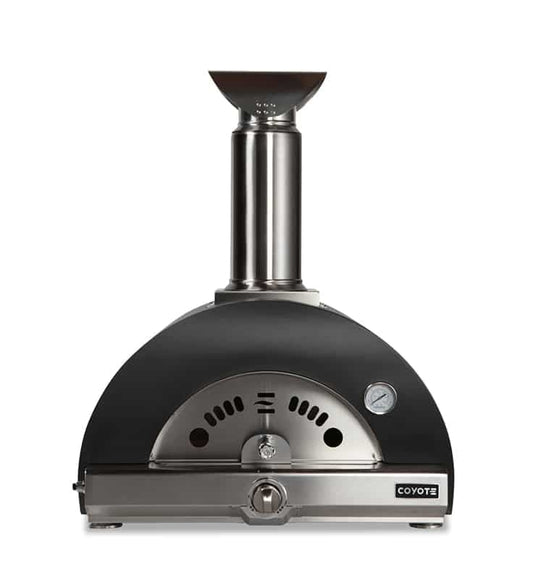
Hybrid multi-fuel. Runs on gas for a weeknight and wood when you want the flavour and the theatre. The compromise is that you manage a fire.

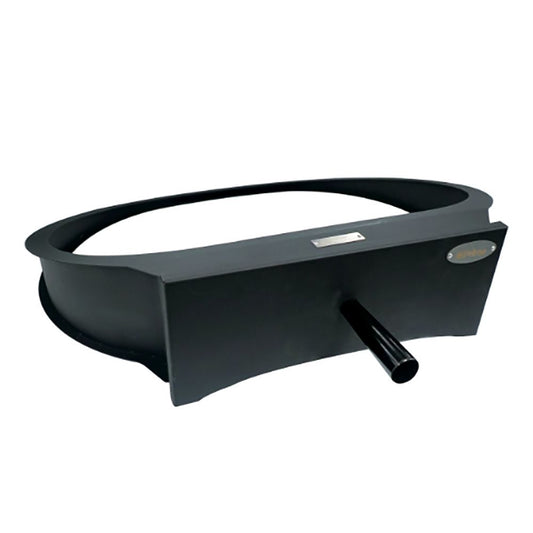
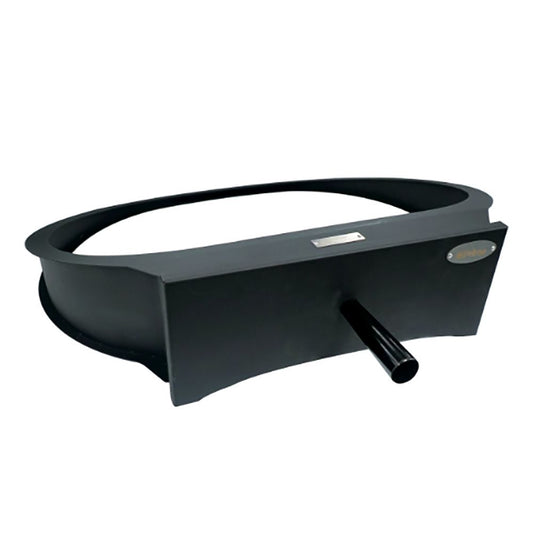
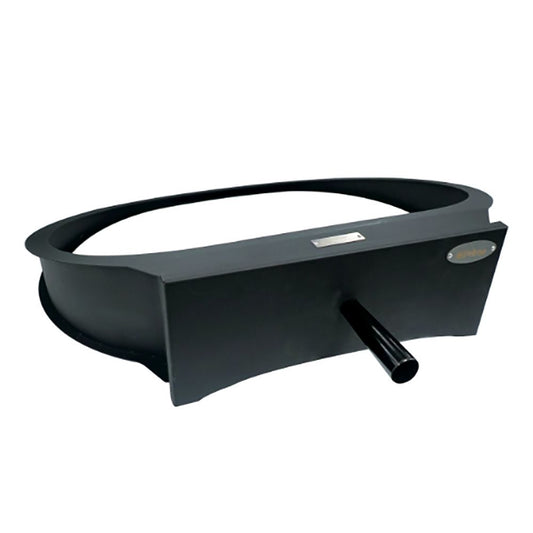
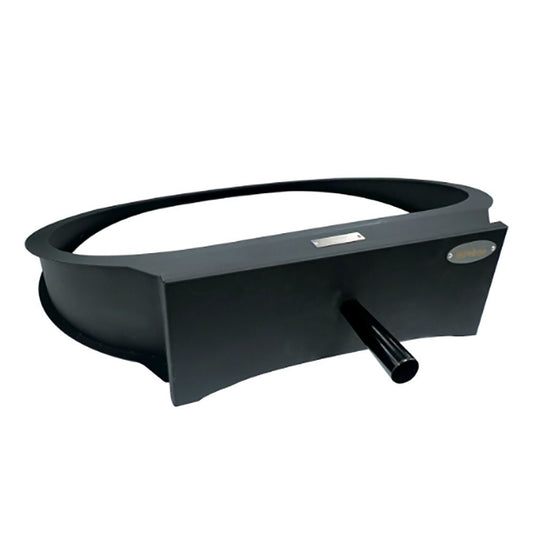
Kamado inserts. If you already own a ceramic charcoal grill, an insert turns it into a pizza oven for a few hundred dollars rather than several thousand. It will not match a dedicated oven for turnaround across a run of pizzas, but for a household making two or three at a time it is the sensible money.

What to check before you buy

Fuel first: a natural gas oven needs a line run to it, and gas ovens are configured for LP or NG at the factory rather than converted later. Then the opening — a gas oven that runs above 1,000°F needs specified clearances to anything combustible, and a built-in needs a confirmed cutout before the island is framed. Finally the peel: measure it against the oven's door opening, because a peel that will not reach the back of the hearth makes turning a pizza genuinely difficult.

We will confirm cutout, clearance and fuel details against the manufacturer's current drawing before you build anything. Call 843-212-7209.

Shop more

By brand: Alfresco | Coyote

Accessories: Alfresco 32.5" Metal Pizza Peel | All grilling accessories

Or shop other outdoor cooking: Built-In Grills | Cart Grills | Griddles

Planning an outdoor kitchen? Start with our outdoor kitchen expert advice, and our natural gas and propane FAQs if you are deciding on fuel.

Frequently Asked Questions

What is the difference between a pizza oven and a pizza stone on a grill?

Stored heat and heat from above. A dedicated pizza oven has a thick ceramic or refractory hearth that keeps cooking the moment a cold, wet pizza lands on it, plus a hot ceiling that finishes the top of the crust at the same rate. A stone in a covered grill gives up its heat to the first pizza and has no top-down radiant heat to match it.

How hot does an outdoor pizza oven get?

The gas ovens here run from roughly 800 to over 1,000 degrees Fahrenheit. True Neapolitan pizza wants the top of that range, which is where a three-minute bake and a properly leoparded crust come from. Lower temperatures still make very good pizza, they just make it more slowly and with a different crust.

Should I buy a built-in or a countertop pizza oven?

It is usually decided for you by whether you are building an island. A built-in becomes part of masonry or stainless cabinetry and vents at counter level, so choose it when the kitchen is being constructed around the oven. A countertop oven is often the identical appliance standing on a counter or a cart, which suits adding pizza to an existing patio or keeping the option to move it.

Can I put a pizza oven insert in a kamado grill I already own?

Yes, if the insert is made for your grill's size. Inserts are matched to specific kamado shapes and sizes rather than being universal, so a Round insert and an Oval XX-Large insert are different parts. For a household making two or three pizzas at a time it is by far the cheapest route to real pizza-oven heat.

Gas or wood fired - which should I choose?

Gas if you want pizza on a weeknight, wood if the fire is part of the point. Gas ovens light and hold temperature without tending, which is what makes them get used. Hybrid multi-fuel ovens do both, at the cost of managing a fire when you choose wood. There is no quality penalty to gas at these temperatures.

How long does a gas pizza oven take to preheat?

Around 15 minutes on the gas ovens here, after which pizzas cook in roughly three minutes each. Preheat time is worth comparing between models, because it is the difference between deciding to make pizza and actually making it on a weeknight.

What cutout does a built-in pizza oven need?

It varies by model, and it is not a figure to take from a web page. Cutout and clearance requirements come from the manufacturer's current installation drawing for your exact configuration. Call 843-212-7209 and we will confirm both before your island is framed or your counter is templated.

What clearances does a pizza oven need to combustible construction?

More than most people expect, because these appliances run far hotter than a grill. Manufacturers specify minimum clearances to anything combustible, often alongside requirements for non-combustible surrounding wall construction and air intake at the base. Confirm the figures for your specific oven rather than assuming a general rule.

Do gas pizza ovens need electricity?

Most do, for ignition and lighting, though the draw is small. It catches people out on propane ovens mounted on carts, which still need a weather-rated outlet within reach of the power cord. Check the electrical requirement before you position the oven.

Can I cook anything other than pizza in a pizza oven?

Yes. The same heat profile handles flatbreads, rustic breads, roasted vegetables and proteins, and cast-iron searing. Ovens with removable doors can be run open for high-heat pizza work or closed for baking and roasting, which widens the range considerably.

What accessories do I actually need?

A long peel and a cover. The peel has to reach the back of the hearth through the oven's door opening, so measure it against the opening rather than buying on length alone. A cover matters more on a pizza oven than a grill because the chamber is open at the front, so wind-driven rain reaches the hearth through the door. See grilling accessories.

Which pizza oven brands do you carry?

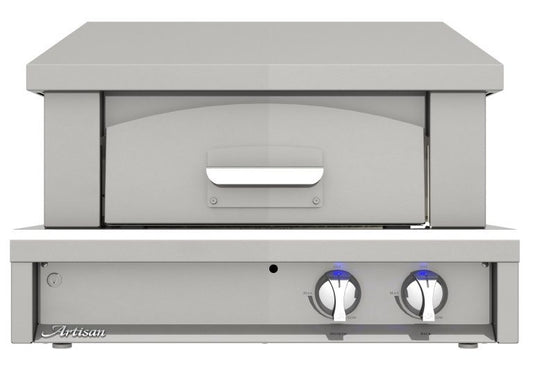
Alfresco, Coyote, Artisan and Primo. Alfresco covers the built-in and countertop gas ovens, Coyote the 30-inch hybrid multi-fuel ovens, Artisan a premium 800-degree outdoor oven, and Primo the inserts that convert a ceramic kamado grill. Browse Alfresco or Coyote.

How to Choose

Start with installation, because it eliminates most of the range immediately. A built-in oven becomes part of a masonry or stainless island and usually vents at counter level, so it only makes sense if the kitchen is being built or rebuilt around it. A countertop oven is the same appliance standing on an existing counter or on a cart, which is the right answer when you are adding pizza to a patio rather than constructing a kitchen. A kamado insert is a different proposition again: if you already own a ceramic charcoal grill, an insert turns it into a pizza oven for a few hundred dollars instead of several thousand.

Then fuel. Gas ovens are configured for natural gas or propane at the factory and are not field-convertible, so a natural gas oven needs a line run to it before it is installed. Hybrid multi-fuel ovens give you gas on a weeknight and wood when you want the flavour, at the cost of managing a fire. Kamado inserts simply use the charcoal fire already in the grill.

Performance comes down to stored heat rather than headline temperature. A thick ceramic or refractory hearth is what keeps cooking the underside of the crust the moment a cold, wet pizza lands on it, and a hot ceiling is what finishes the top in the same two or three minutes. That combination is the reason a dedicated oven beats a covered grill with a stone in it, and it is also why preheat times are worth comparing.

Two practical details get overlooked. Door opening height varies more between ovens than cooking area does, and it determines what you can physically get in and out, so measure your peel and any cast iron against it. And a gas oven running above 1,000 degrees Fahrenheit has specified clearances to combustible construction, which need confirming against the manufacturer's current drawing before an island is framed rather than afterwards.

Expert Advice

Measure your peel against the oven's door opening before you buy either one. A peel that cannot reach the back of the hearth makes turning a pizza genuinely difficult, and door opening height varies far more between ovens than cooking area does. On a built-in, confirm the cutout and the clearance to combustible construction against the manufacturer's current drawing before the island is framed, not after.

Related Collections

Recently Viewed Products